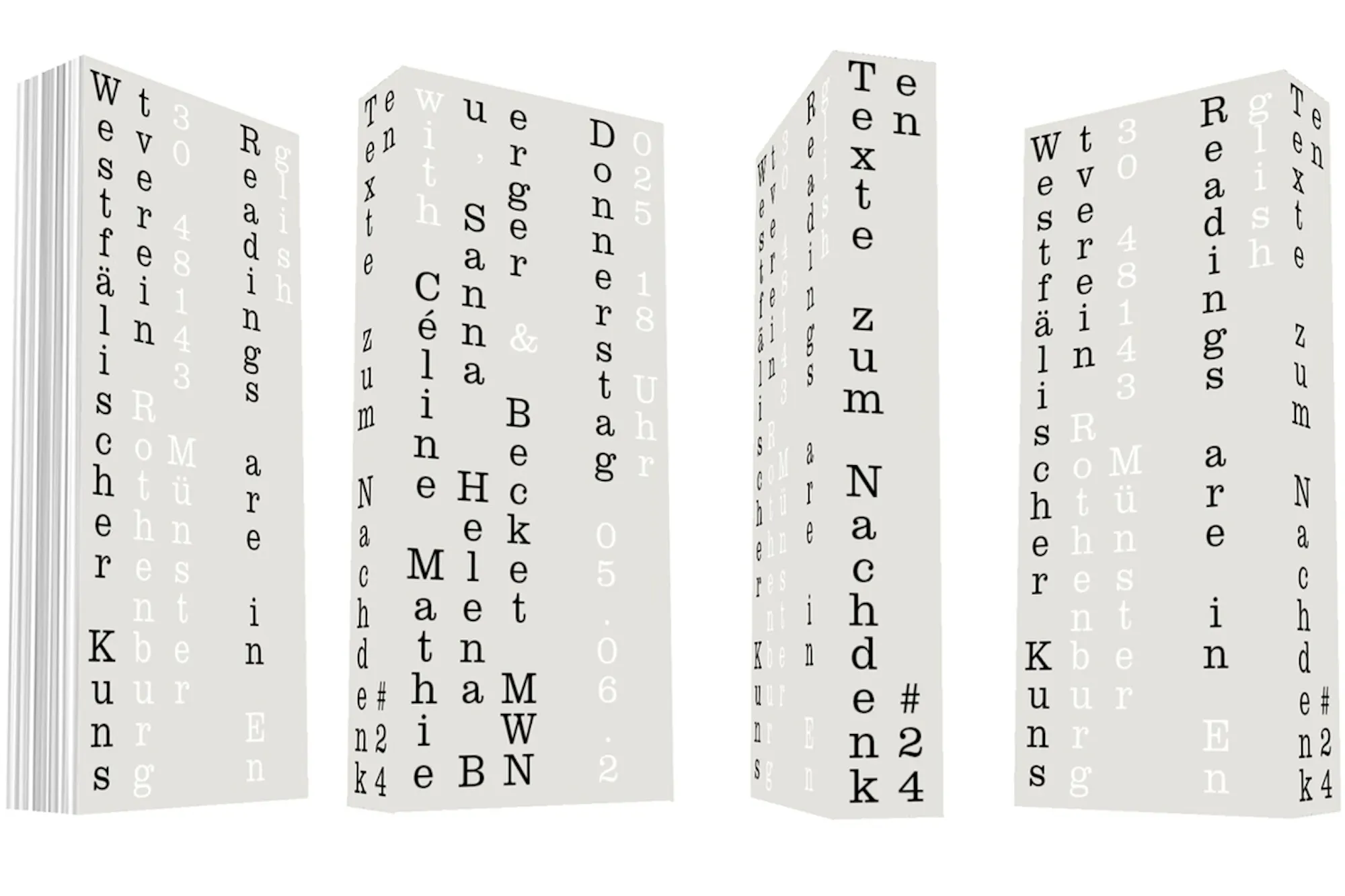
Artists Sarah Lehnerer and Benedikt Bock on Texte zum Nachdenken, a reading series bringing together artists whose writing forms part of their artistic practice.
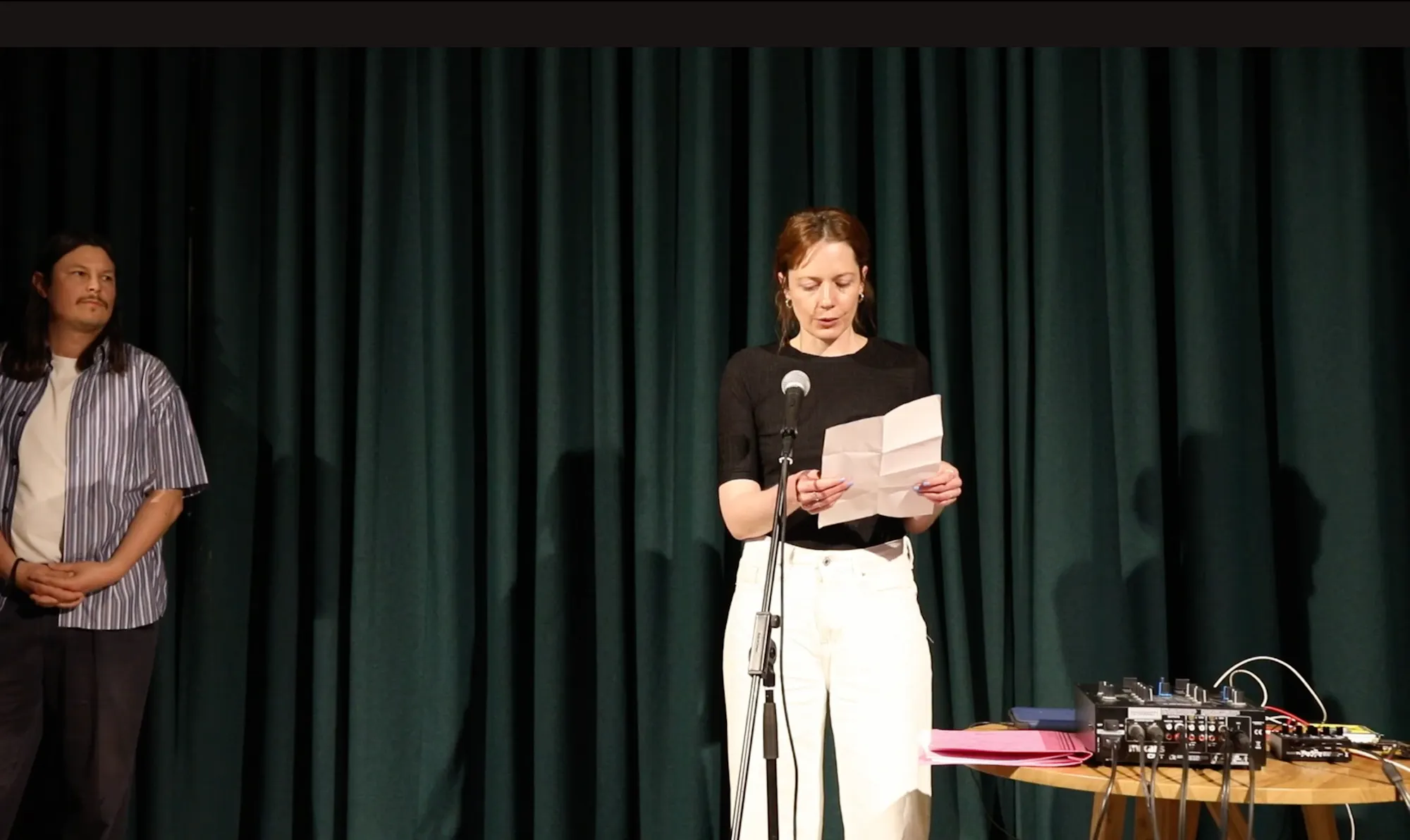
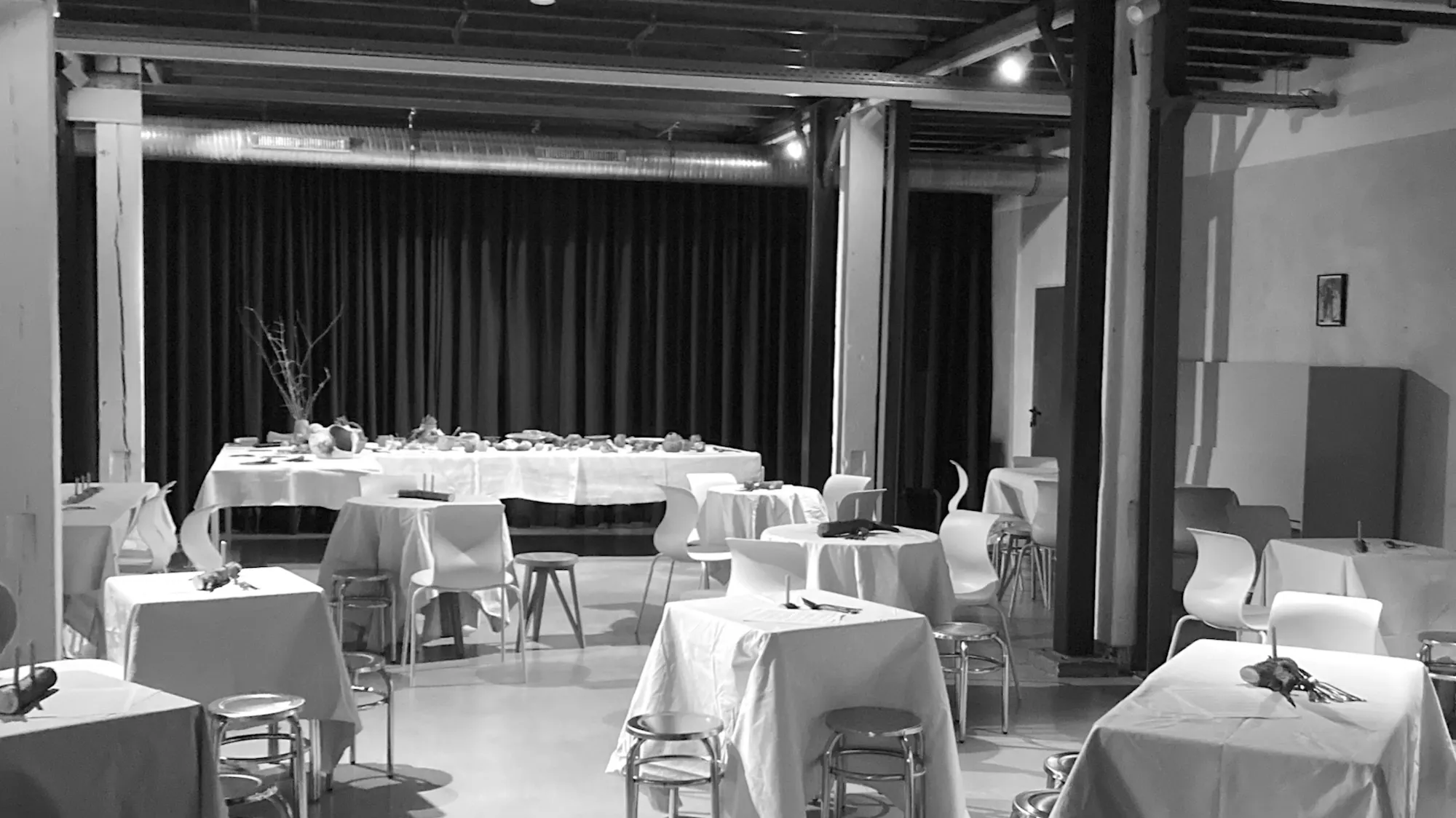
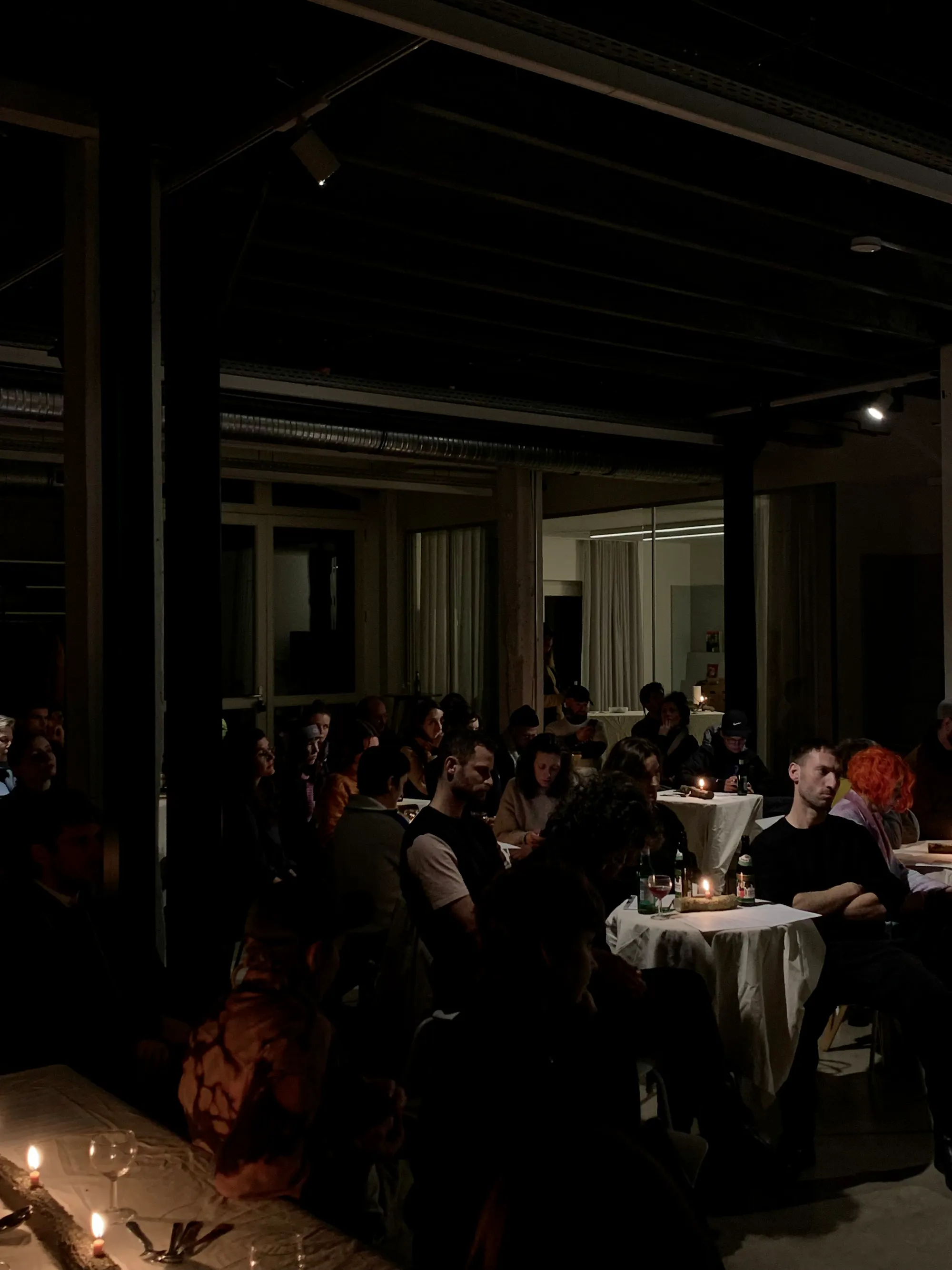
In 2024 and again in 2025, Kemmler Foundation invited Texte zum Nachdenken (TzN) to curate an evening of readings in our space in Berlin. Run by artists Benedikt Bock and Sarah Lehnerer, TzN is a platform for texts coming out of artistic practice in the field of visual arts. Founded in 2020, TzN has put on more than 25 events. Among them was a summer school at Halle für Kunst Lüneburg, the artistic output of which was presented at Kemmler Foundation in the fall of 2025, while the 2024 event consisted of audio-literary performances by Eleni Poulou, Seda Mimaroglu and Luzie Meyer.
Kemmler Foundation: Benedikt - What gave you the impulse to create Texte zum Nachdenken?
Texte zum Nachdenken: Texte zum Nachdenken (TzN) is an independent format that situates text as a practice in visual art and organizes events that create opportunities for readings and interdisciplinary exchange. I founded TzN in 2020 in my studio in Zürich, where I invited people to read from their texts in a very informal setting. After that, I took it on the road to off-spaces, and, since 2022, to Cabaret Voltaire, the birthplace of Dada in Zürich. Sarah joined the project in 2023, having first read at a TzN event in 2022. We didn't know each other before. Afterwards, we stayed in touch regularly and it became clear that we wanted to deepen our interest together through TzN. That was exactly what I had envisioned: a community and a discourse around this hybrid practice of text and image. At the same time, I felt the need to create a reference point for other writing artists, simply because it doesn't really exist yet.
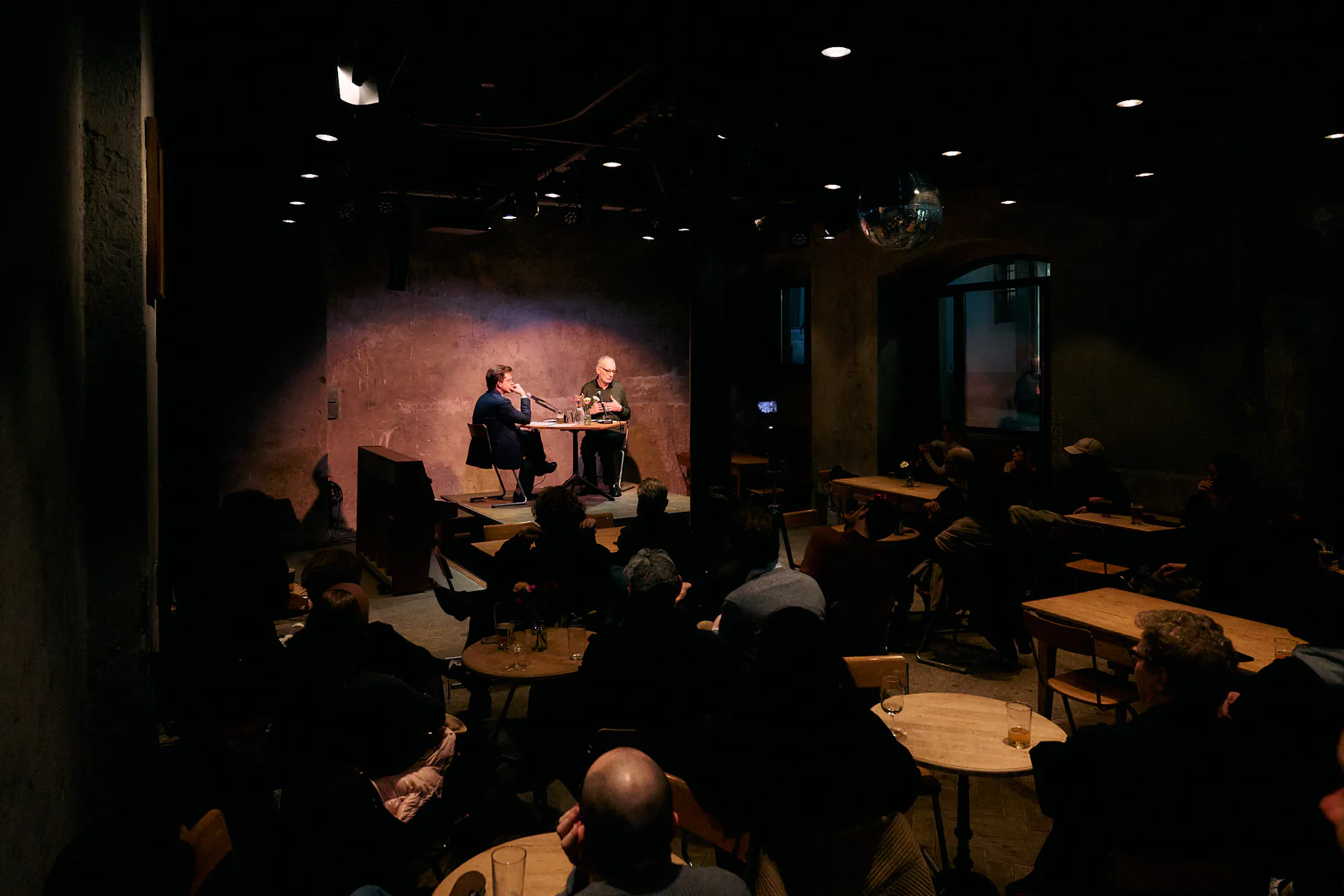
How do you view the role and significance of writing as a primary form within the visual arts?
In a sense, writing as an (ephemeral) art practice has existed for a very long time—many artists write and have written. However, the fact that, for a long time, this was hardly ever—and, if so, only in niche areas—recognized as an artistic practice is probably more to do with the art market (and the associated canon). In addition, writing was probably long considered the métier of critics, curators or, indeed, authors.
In recent years, the importance of writing by artists has increased significantly—at least in our perception. On the one hand, this may be related to the symbolic capital that certainly can be generated by this ephemeral practice and which generally plays a more important role in art. On the other hand—or perhaps even as a kind of counterweight to this point—it may be related to the need to share very personal, intimate or political content in formats such as readings or performances. This shared moment that arises is perhaps exactly what many people need right now, especially given the current state of the world. Writing is experienced differently when shared collectively in a reading than in the social atmosphere of an exhibition opening. It is an intimate space, as opposed to a performative, representative moment.
Sarah, you joined TzN in 2023. What have you brought to the curatorial focus of TzN?
On the one hand, a research focus on writing as (feminist) artistic practice—including historically. On the other hand, my own artistic writing practice, which is strongly oriented towards collaboration and multivocality, among other things. And, of course, a different local focus—my life is centred in Berlin, while Benedikt is in Zürich.
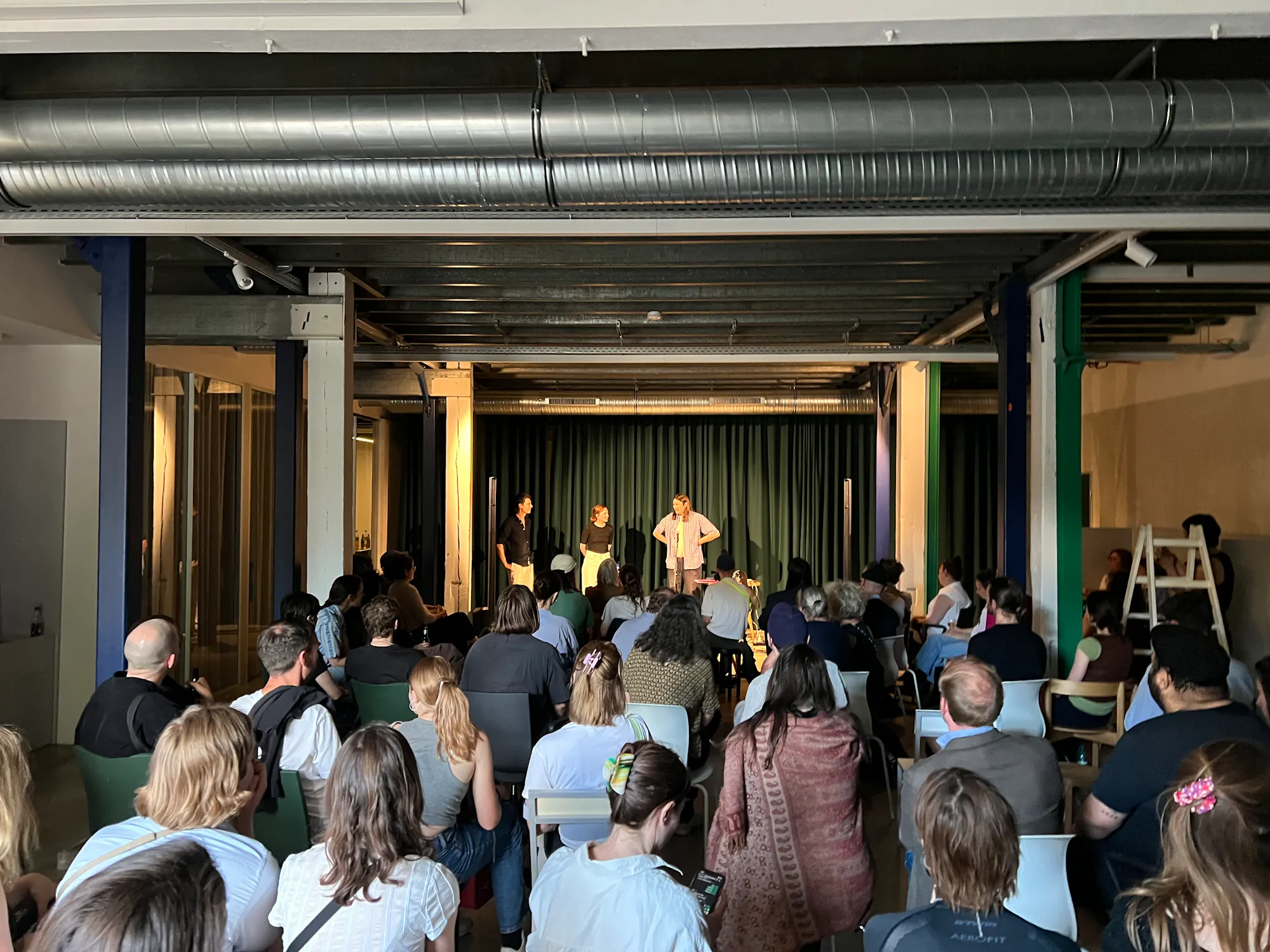
Tell us a bit about the summer school at Halle für Kunst Lüneburg you will host in August.
The idea for the summer school has been around for a while, and there was an initial pilot project last year. Curators Lisa Deml and Marie-Sophie Dorsch (Halle für Kunst Lüneburg) approached us at the beginning of the year, and when we told them about the idea of a summer school, they were very interested. We then developed the concept further together with them, published an open call, and will now be running a kind of writing workshop for a week with a group of twelve people—artists with writing experience.
The focus will be on exchange, sharing questions and work processes, mutual feedback, trying things out and experimenting. But cooking together, spending time together, reading and sharing texts by other authors, all of that is part of it too. For us, this is the next step in further strengthening artistic writing and anchoring it together.
Where do you want to take TzN in the future?
We are currently shifting our focus away from readings, where individual artists read their texts in front of an audience, towards other formats such as summer schools, workshops, teaching, or open dinners, in order to invite a larger community and explore the possibilities of collaborative writing and cooperation. We feel there is a great need for writing in visual art in the contemporary discourse, but this need is not being adequately met in art schools or in the art world.